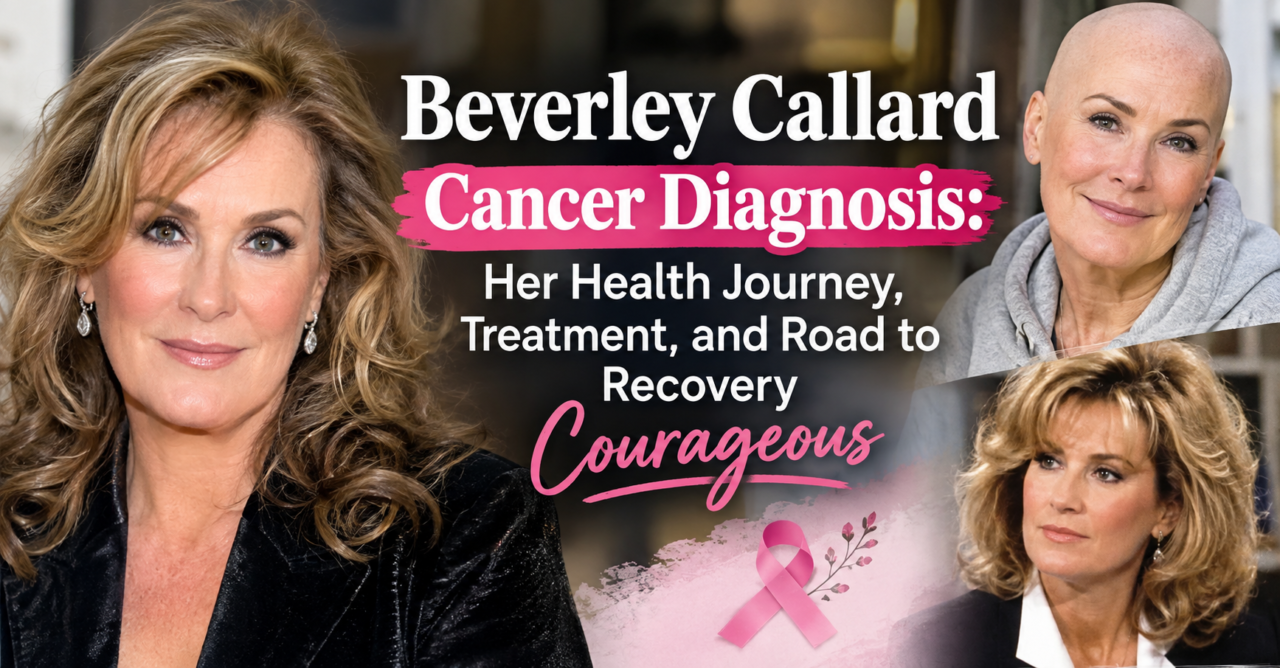
The news of the Beverley Callard cancer diagnosis sent a wave of concern through fans who’ve followed the actress for decades, from her iconic run as Liz McDonald on “Coronation Street” to her more recent move into Irish television. What made the story resonate even more deeply was the timing and the honesty with which Callard chose to share it — she revealed her diagnosis publicly rather than letting it leak out through rumor or speculation, a decision that speaks volumes about her character and her long history of connecting authentically with audiences.
This piece walks through the full story behind the Beverley Callard cancer diagnosis: how she found out, what stage the disease was caught at, the treatment path she’s followed, and how her personal history with cancer decades earlier shaped the way she’s approached this latest chapter. It also looks at the emotional and physical realities she’s spoken about candidly, because understanding the full picture matters more than just the headline.
How the Diagnosis Was Revealed
The Beverley Callard cancer story broke in an unusually dramatic way. Callard had just relocated to Ireland to take on a new role in the long-running soap opera “Fair City,” playing a character named Lily, introduced as the long-lost mother of an existing character. Just minutes before she was due to film her very first scenes in the role, she received a phone call from her consultant back in the UK asking her to return immediately. It was in that moment, standing in her dressing room and preparing to step in front of the cameras for the first time in a brand-new job, that she learned she had breast cancer.
Callard has spoken about the surreal nature of that timing — nervous about a new role, hoping everything would go smoothly, and then suddenly facing news that reframed everything. She chose to speak about the Beverley Callard cancer diagnosis publicly on RTÉ’s “The Late Late Show” rather than let details trickle out through tabloids, explaining that she wanted to control her own narrative rather than have it distorted secondhand. That instinct to speak directly to her audience, rather than through intermediaries, has been a consistent thread throughout how she’s handled the situation from day one.
Understanding the Stage and Type of Cancer
A central part of the Beverley Callard cancer story is the fact that doctors caught the disease in its early stages. Callard has repeatedly emphasized this point in interviews, noting that while the news was obviously frightening, being diagnosed early gave her a significantly better outlook and more treatment options than a later-stage diagnosis might have allowed. Early detection is one of the most consistently emphasized factors in breast cancer outcomes, and Callard’s own experience underscores why regular screening and prompt follow-up on unusual test results matter so much.
Following the initial diagnosis, she underwent further testing to understand how far the cancer might have spread, including examination of her lymph nodes and lymph glands. She later confirmed that three lymph nodes were removed as doctors worked to determine the full extent of the disease and whether more aggressive treatment, such as chemotherapy, would be necessary in addition to radiotherapy. This kind of staged diagnostic process is standard in breast cancer cases, but hearing Callard describe it in her own words gave fans a much clearer, more human sense of what that clinical process actually feels like from the inside.
Not Her First Time Facing Cancer
One detail that adds real depth to the Beverley Callard cancer story is that this isn’t the first time she’s confronted the disease. Callard previously battled cervical cancer at the age of 32, decades before this current diagnosis. That earlier experience gave her a frame of reference that most people facing a new cancer diagnosis simply don’t have, and she’s spoken about drawing on that history for perspective, even as she acknowledged that facing the disease again in her late sixties came with its own distinct emotional weight.
Having survived cancer once before doesn’t make a second diagnosis easy, and Callard has been candid about that reality rather than pretending otherwise. She’s talked about the added complexity of dealing with a health crisis later in life, alongside a major relocation and a new job, all happening simultaneously. That layering of life stressors is something many people facing illness can relate to, and it’s part of why her openness about the Beverley Callard cancer diagnosis has struck such a chord beyond just her existing fanbase.
The Emotional Toll: Beyond the Physical Treatment
While much of the coverage around the Beverley Callard cancer diagnosis understandably focuses on medical details, Callard herself has been just as open about the emotional side of the experience. In one particularly candid social media post, she admitted to feeling like she didn’t feel like a woman anymore, a comment she made after a surgical procedure left her grappling with changes to her body and her sense of self. She’s also spoken about the difficulty of attending public events, like an ITV press engagement, while still processing those feelings, describing herself as feeling unfeminine and that the appearance came too soon after her operation.
This kind of honesty is relatively rare in celebrity health disclosures, where there’s often pressure to present a relentlessly upbeat, “fighting” narrative. Callard’s willingness to sit in the harder, messier emotions — rather than skipping straight to positivity — has made her story feel more authentic and, for many fans navigating their own health struggles, more genuinely helpful. She’s balanced that vulnerability with real resilience, noting that support from other cancer survivors has made a meaningful difference in how she’s coped day to day.
Treatment Timeline: From Diagnosis to Radiotherapy
The treatment path following the Beverley Callard cancer diagnosis followed a fairly typical breast cancer protocol, though the logistics were complicated by her international move. After the initial diagnosis in February, she underwent surgery, including the lymph node removal mentioned earlier, before moving into a decision-making phase about further treatment. Doctors ultimately proceeded with radiotherapy, though Callard later revealed there had been some concern from her medical team that treatment should have started sooner.
Part of the delay came down to practical, unglamorous logistics — because she and her husband had relocated from England to Ireland, her medical records took time to transfer between healthcare systems, which pushed back the radiotherapy schedule. It’s a detail that highlights a less-discussed but very real challenge for anyone managing serious illness while also navigating an international move: even when the medical will and urgency are there, administrative logistics can create frustrating delays. Callard eventually completed her radiotherapy sessions, announcing the milestone to fans through an Instagram video where she expressed cautious relief and hope, telling her followers she’d finished her last session and was keeping her fingers crossed for good results.
The Role of Her Husband, Jon McEwan
No account of the Beverley Callard cancer journey would be complete without acknowledging the support system around her, particularly her husband, Jon McEwan. Callard has credited him with playing a significant role during an already overwhelming period, including helping manage practical changes to their new home in Ireland as she underwent treatment and adjusted to life in a new country while sick.
That kind of behind-the-scenes partner support rarely makes headlines on its own, but it’s often the difference between a health crisis feeling manageable or unbearable. Callard’s references to her husband’s involvement paint a picture of a couple navigating an enormous life transition — a career move, an international relocation, and a serious health diagnosis — all at once, leaning on each other through each stage. It’s a reminder that public figures dealing with illness are still, underneath the headlines, ordinary people managing an extraordinary set of circumstances with the people closest to them.
Beverley Callard Cancer Timeline at a Glance
| Milestone | Detail |
|---|---|
| Diagnosis | Breast cancer diagnosed in February, just before filming began on Fair City |
| Initial disclosure | Announced publicly on RTÉ’s The Late Late Show |
| Lymph node surgery | Three lymph nodes removed for further testing |
| Treatment decision | Doctors weighed chemotherapy versus radiotherapy based on how the cancer behaved |
| Relocation complication | Move to Ireland delayed transfer of UK medical records, pushing back radiotherapy start |
| Radiotherapy completion | Callard announced finishing her final radiotherapy session via Instagram |
| Prior history | Previously survived cervical cancer at age 32 |
Why Callard’s Openness Matters for Public Health Awareness
There’s a broader significance to how openly Callard has discussed her diagnosis. Public figures disclosing cancer diagnoses, especially breast cancer, has historically played a meaningful role in encouraging screening and early detection among the general public — a pattern researchers and health charities have observed for decades. When someone as recognizable as Callard speaks candidly about symptoms, testing, and treatment, it tends to prompt more people to book their own overdue checkups or take unusual symptoms more seriously.
Callard herself has framed her openness partly around this idea, noting that she was inspired to speak out by other strong women who’d shared their own stories, and that she hoped doing the same might help someone else. That ripple effect — one public figure’s honesty encouraging quieter conversations and earlier doctor visits among ordinary people — is one of the more understated but genuinely valuable outcomes of celebrity health disclosures like this one. It reframes the Beverley Callard cancer story as something with an impact well beyond her own personal circle.
Frequently Asked Questions
What type of cancer does Beverley Callard have?
Beverley Callard was diagnosed with breast cancer, which she revealed publicly was caught in its early stages. She has spoken about undergoing surgery, including the removal of lymph nodes for testing, followed by radiotherapy treatment as part of her care plan.
When was Beverley Callard diagnosed with cancer?
The Beverley Callard cancer diagnosis came in February, just minutes before she filmed her first scenes for the Irish soap opera “Fair City.” Her consultant called her back to the UK for further testing after she had already relocated to Ireland for the new role.
Has Beverley Callard had cancer before?
Yes, this is not Callard’s first experience with the disease. She previously battled and survived cervical cancer at the age of 32, giving her a unique personal history to draw on while facing her current breast cancer diagnosis decades later.
Is Beverley Callard still acting during her cancer treatment?
Yes, Callard has continued working through her cancer treatment, including remaining committed to her role as Lily in “Fair City.” She has said she plans to return to filming after completing necessary treatments like her operation and radiotherapy sessions.
How has Beverley Callard’s husband supported her through cancer?
Beverley Callard’s husband, Jon McEwan, has been a consistent source of support throughout her cancer journey, including helping manage changes to their new home in Ireland as she underwent treatment. Callard has spoken about how meaningful his practical and emotional support has been during an already difficult transition.
Final Thoughts
The Beverley Callard cancer story is ultimately one of resilience layered with honesty. From the shock of receiving her diagnosis minutes before a major career milestone to the practical hurdles of managing treatment across two countries, Callard has chosen transparency over silence at every turn. Her willingness to discuss both the medical realities and the harder emotional moments has turned a private health battle into something that offers genuine comfort and awareness to others facing similar diagnoses. As she continues her recovery and returns to the screen, her openness about this chapter stands as one of the more grounded and impactful celebrity health stories in recent memory.